
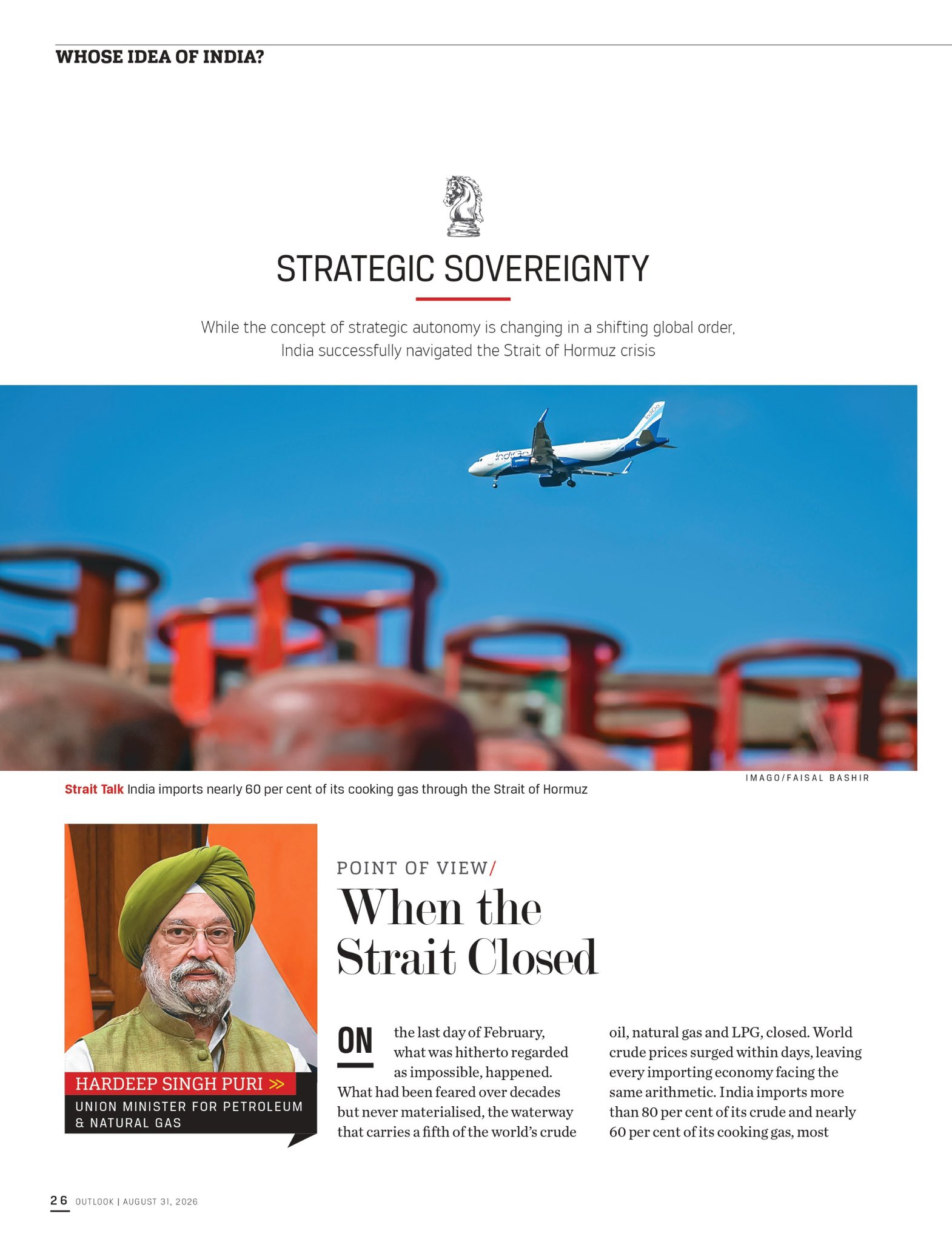
In my piece for the Independence Day edition of Outlook India magazine on how a prepared India weathered Hormuz disruption without...
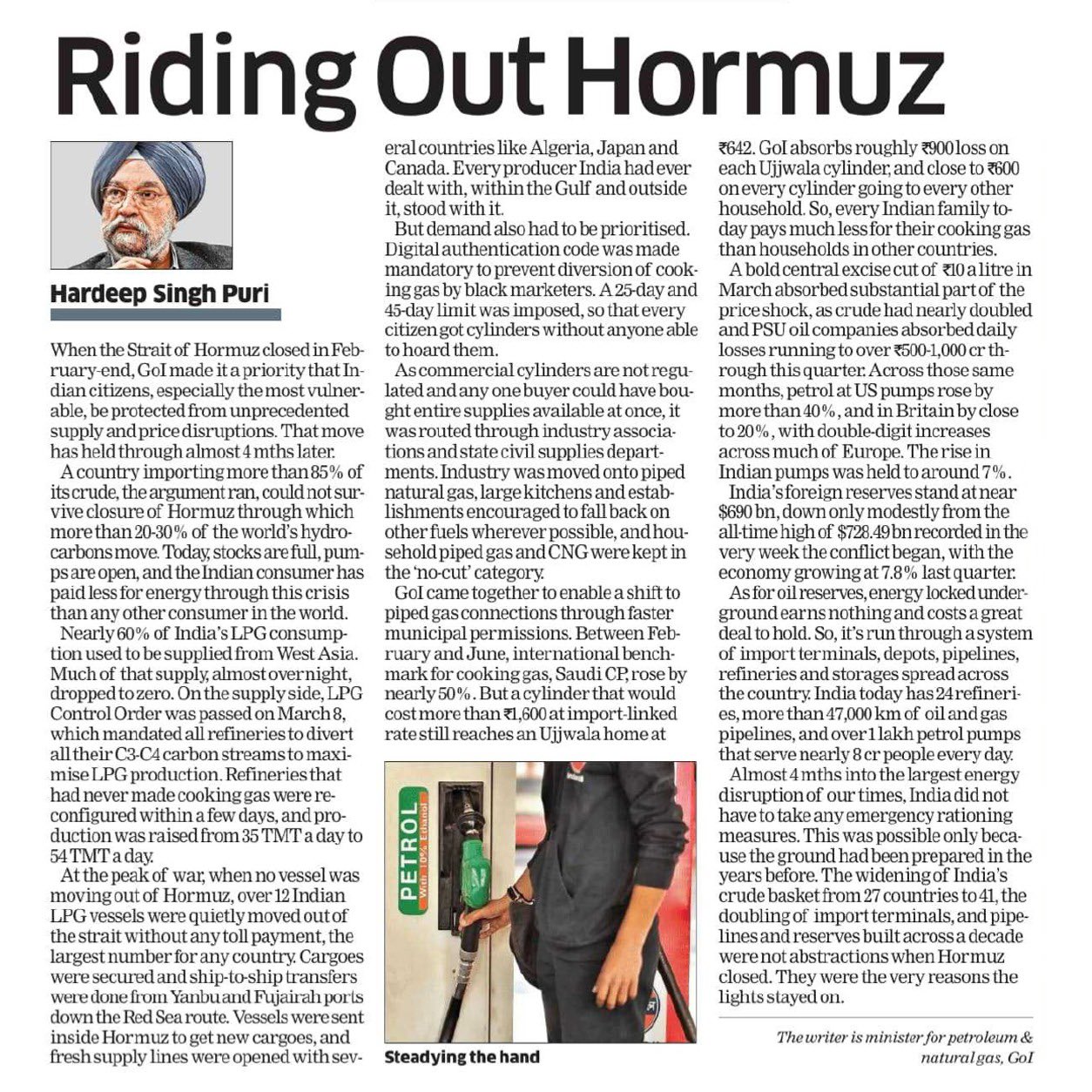
Even as the world faced one of the worst energy crises and disrupted supply chains, India under the leadership of PM Sh Narendra M...
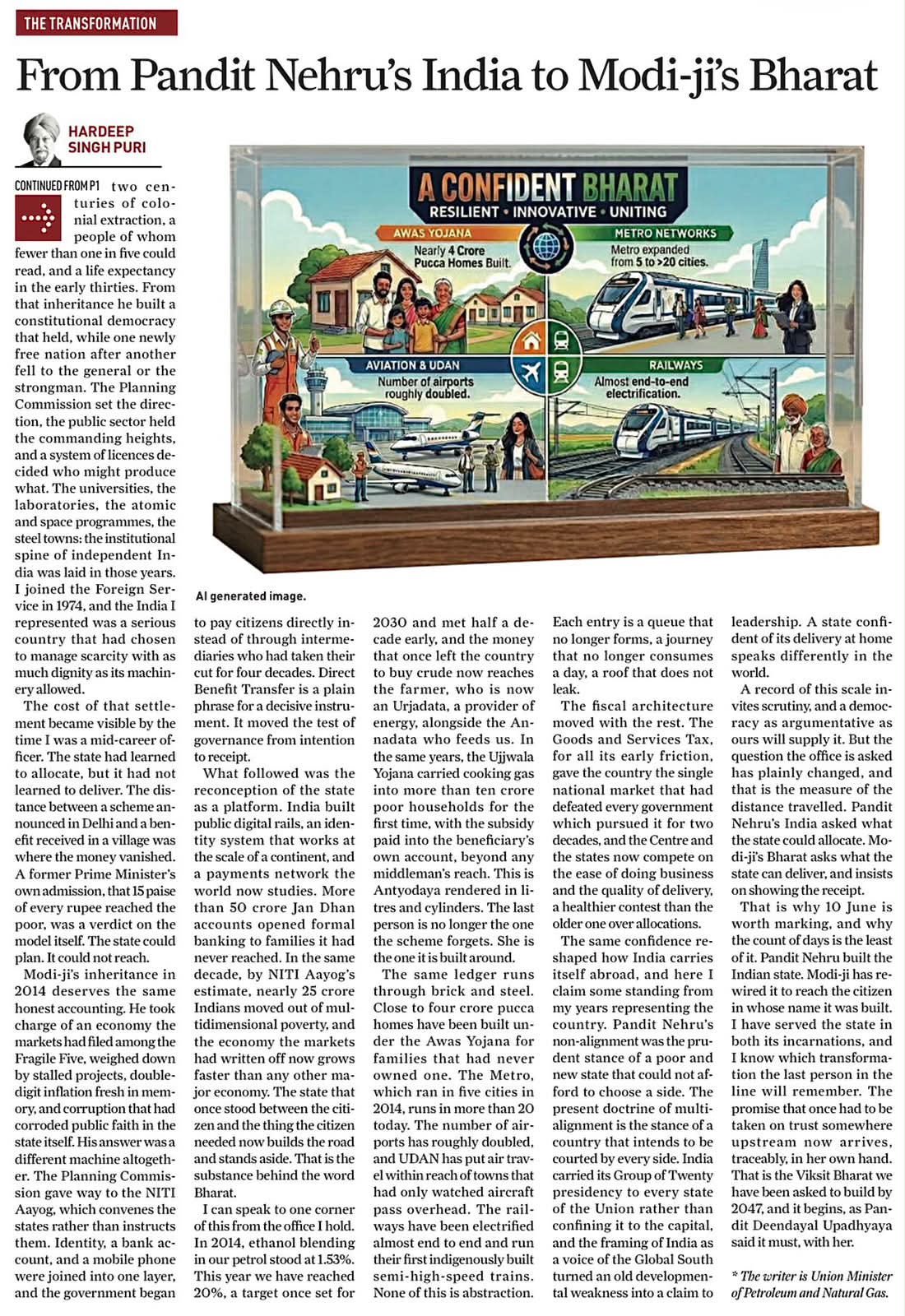
From Pandit Nehru's India to Modi's Bharat...
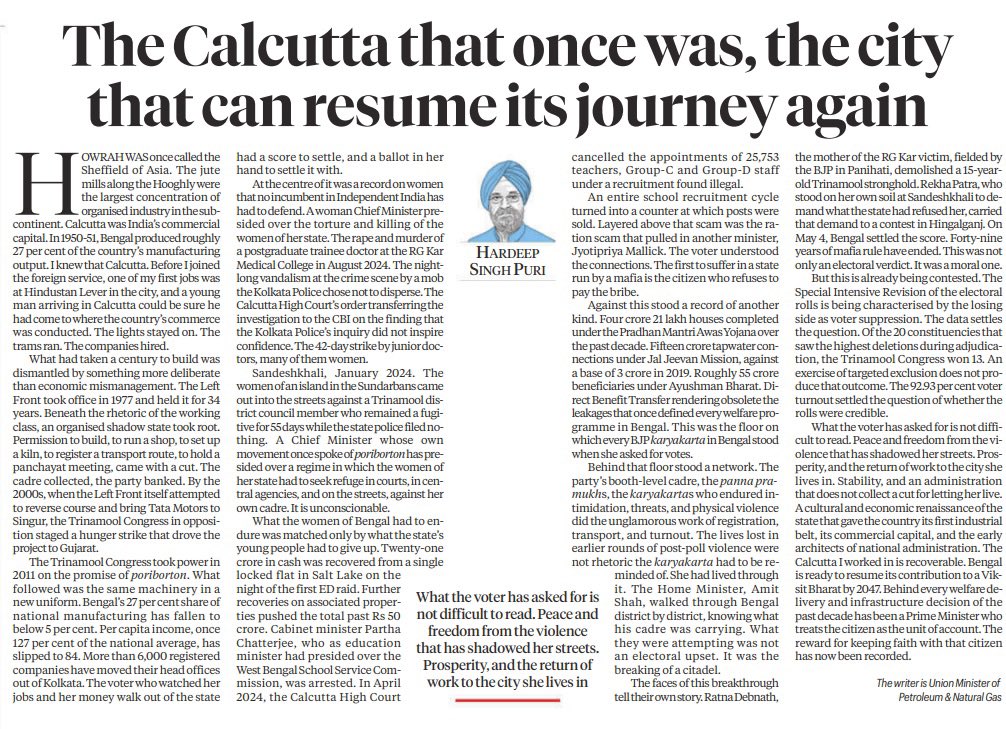
‘The city of joy’ erupted with joy when 49 years of mafia rule ended. The verdict in these elections not just electoral. It is...
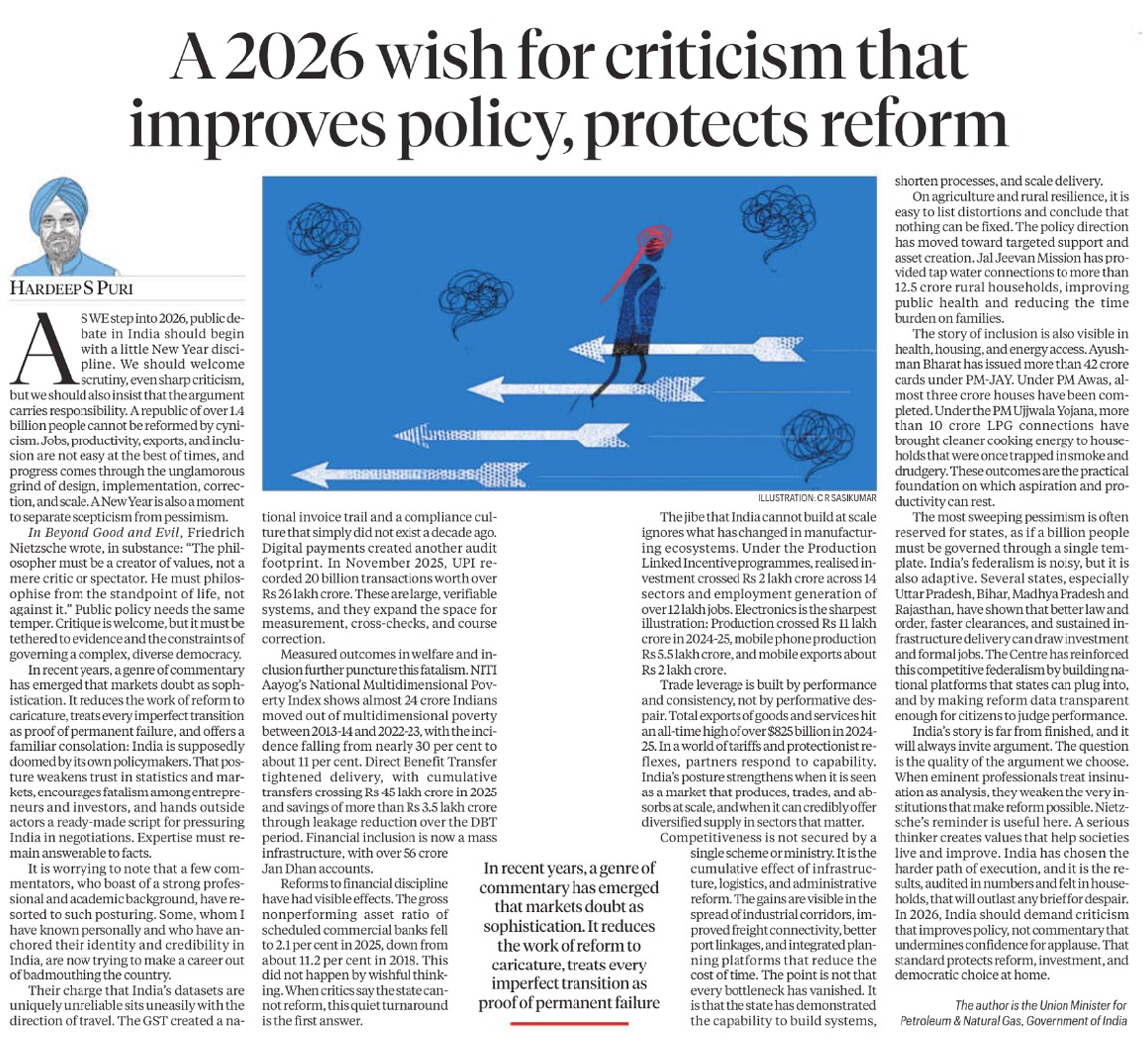
Our democracy benefits by criticism, but not by motivated fatalism by some “experts”, who seem more guided by their politics r...
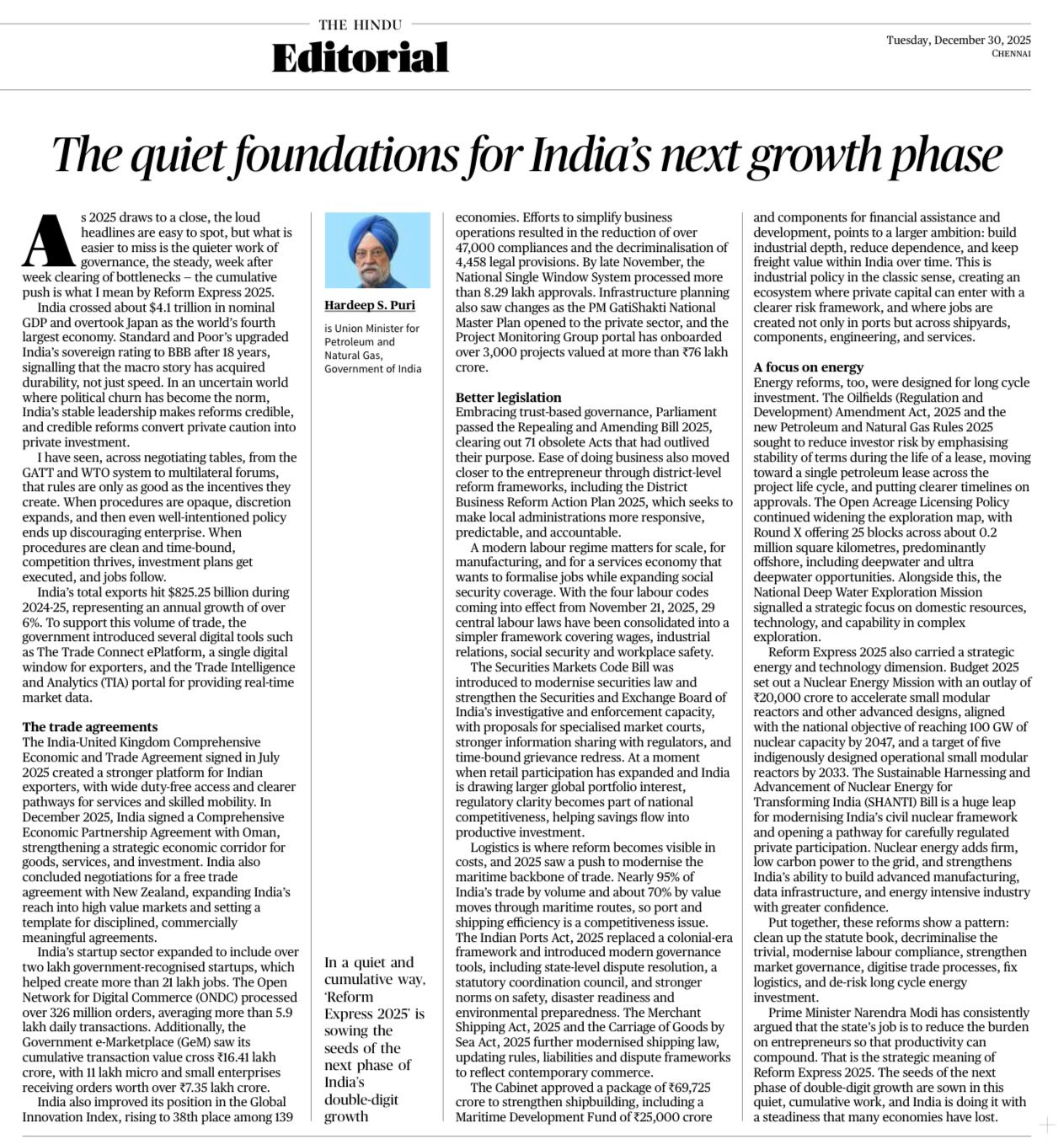
The quieter work of governance, the steady, week after week clearing of bottlenecks - this cumulative push is what I mean by Refo...
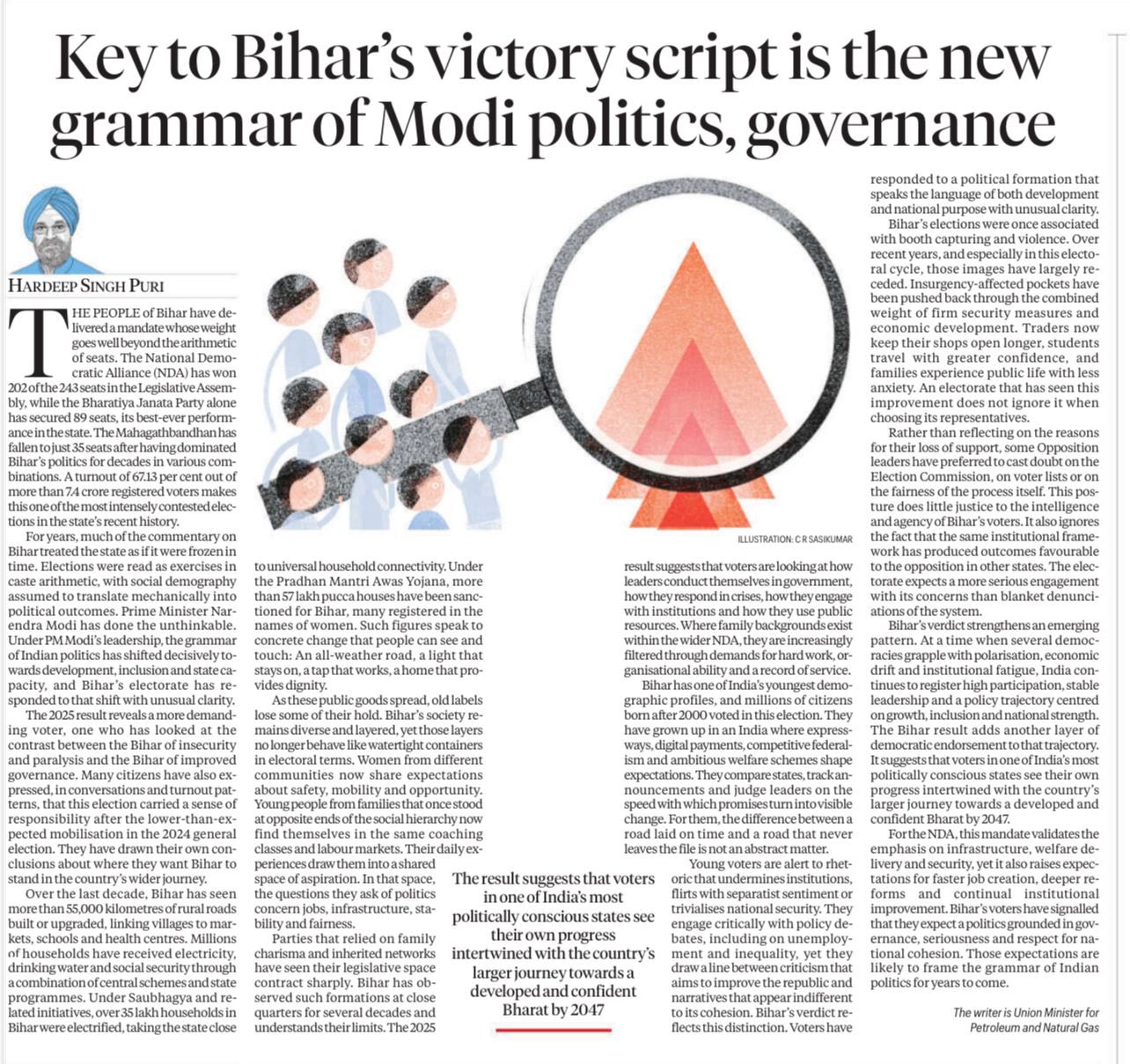
PM Sh Narendra Modi Ji has done the unthinkable in Bihar and it will change the grammar and lexicon of Indian politics for the ti...
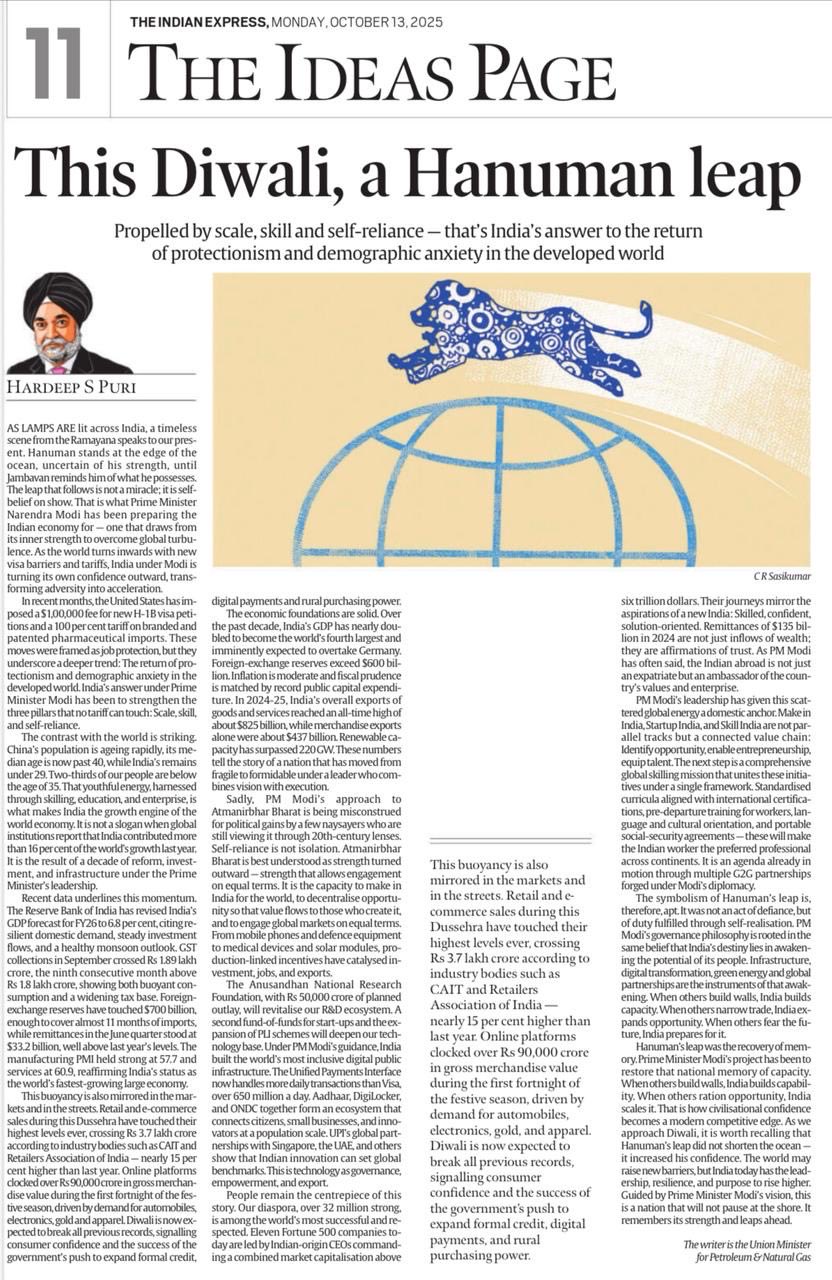
As the world passes through a period of geopolitical turmoil and uncertainty, India, under the visionary & decisive leadership of ...
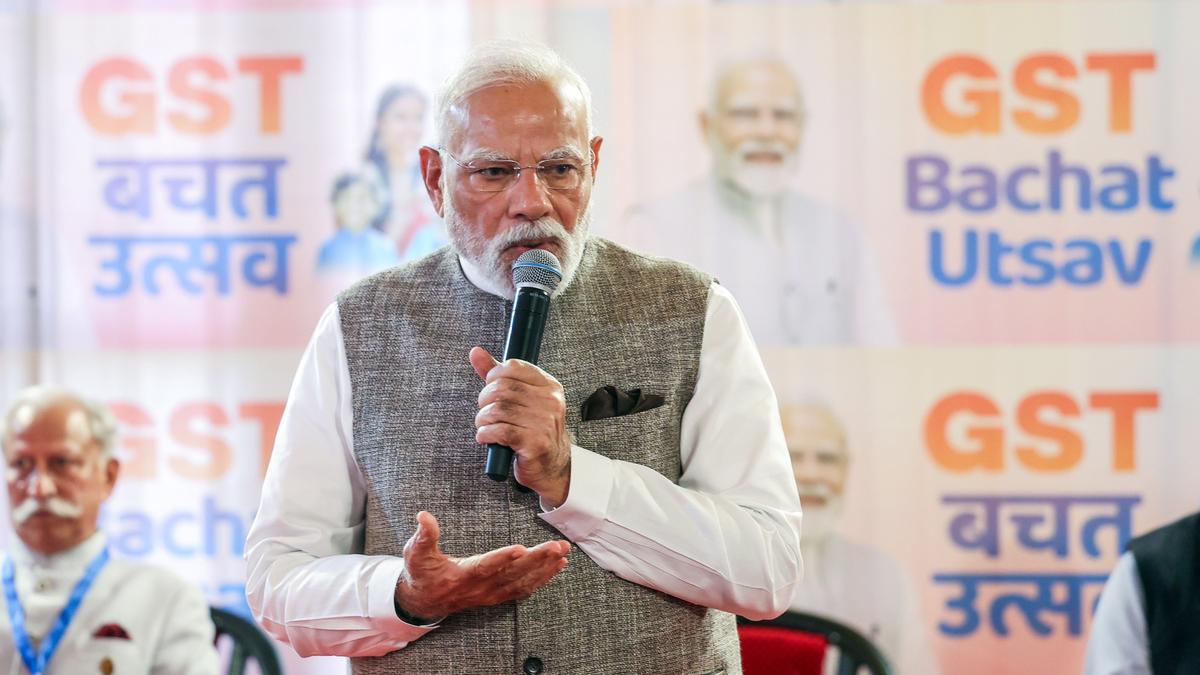
The Prime Minister’s professionalism and work ethic are what make the difference on the ground Praise has been showered on Pr...